The journey

From the mine to your hand

I've traveled to the world's diamond centers to see where stones come from and how they're made. These are photos and videos from those trips, following a diamond through every stage before it reaches you.

BelgiumIsraelIndia
01

Choosing rough at the source

At diamond mining companies' offices in Belgium and India, rough diamonds are sold in parcels sorted by size, shape, and color. Before a stone is ever cut, I study the rough to judge what it can become.
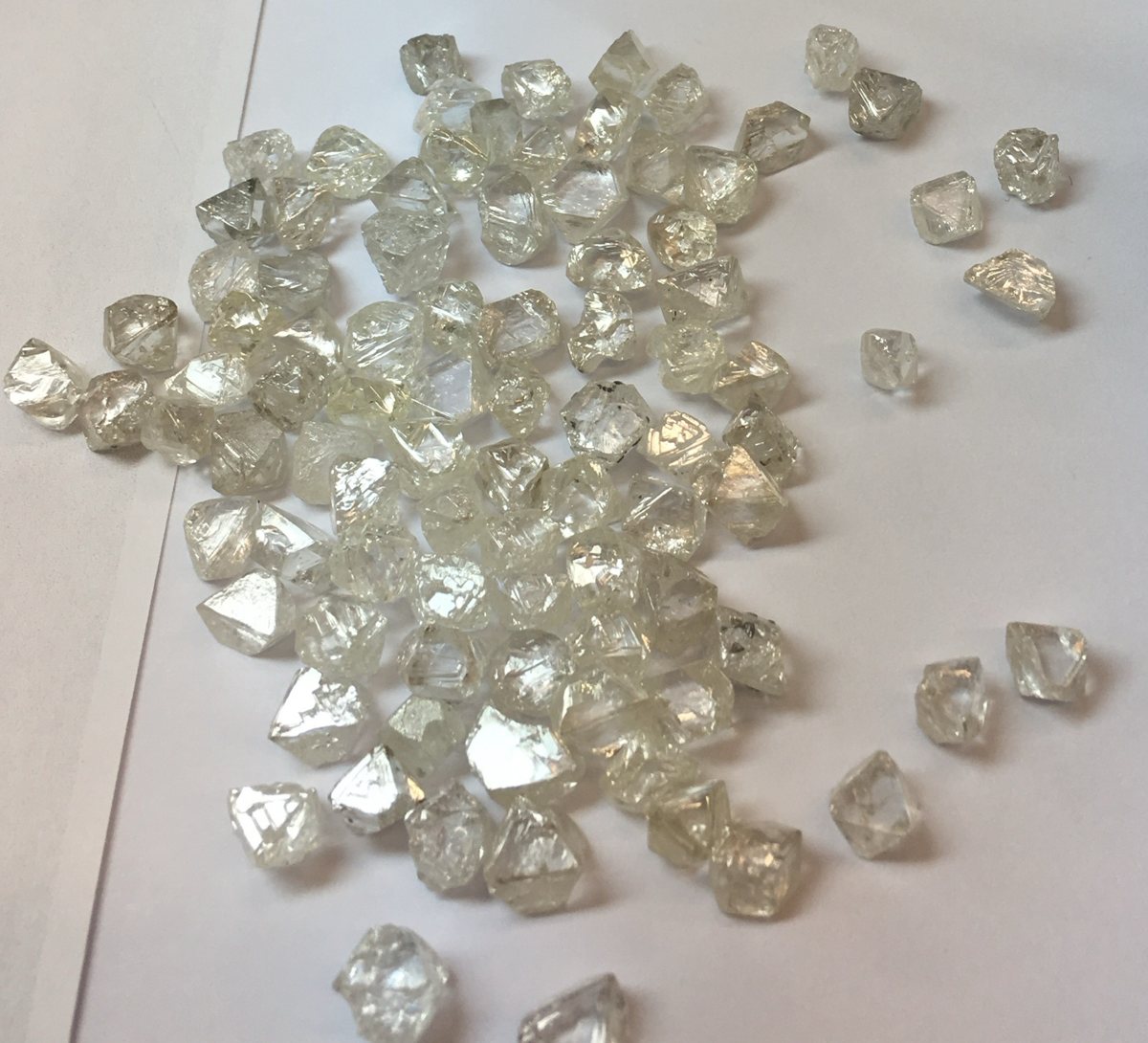
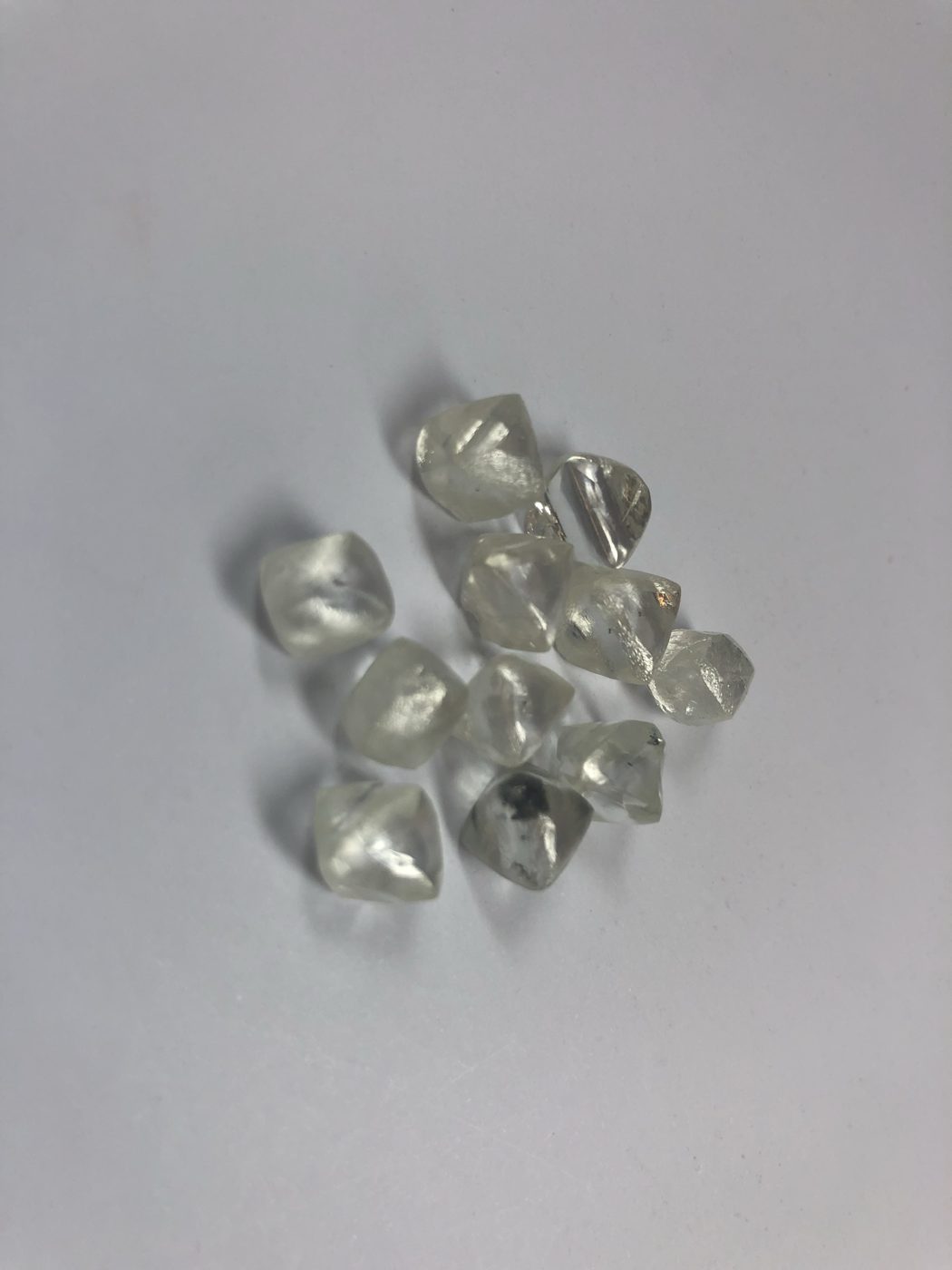
A parcel of white rough diamond crystals on a sorting sheet
A parcel of rough crystals, sorted by size.
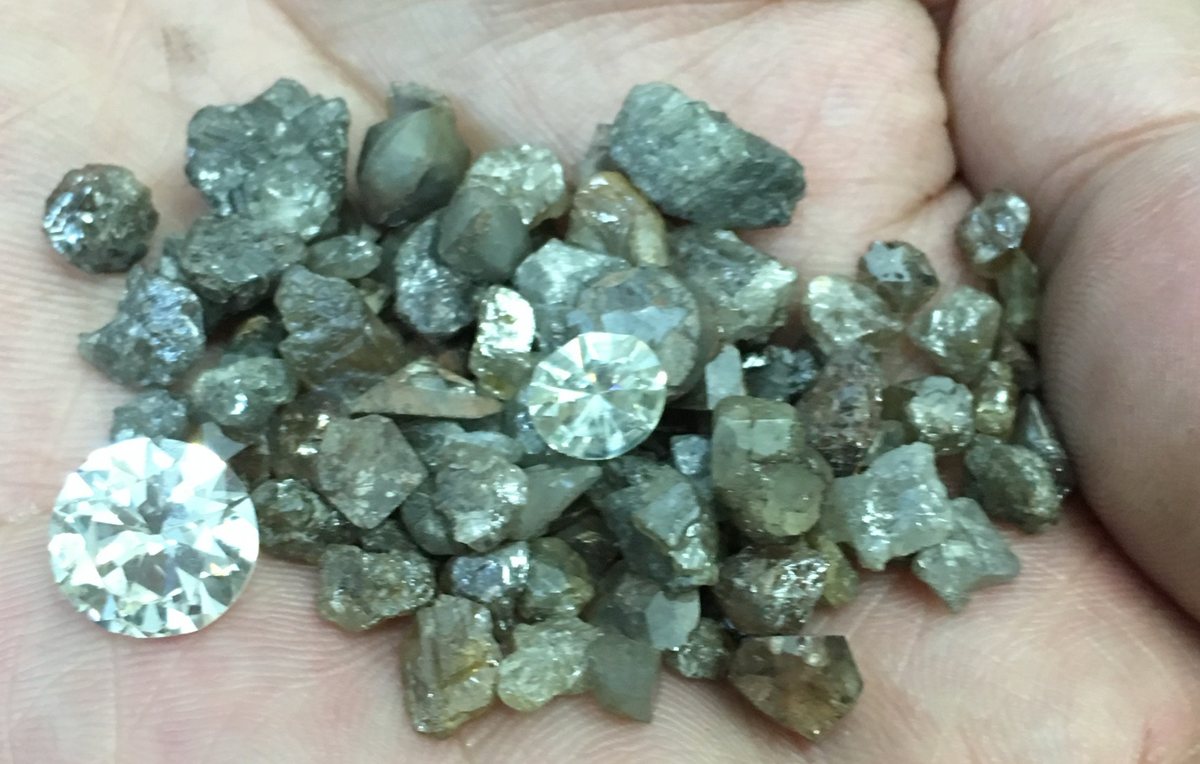
Grey and brown industrial-quality rough diamonds in a palm with two polished gem-quality round diamonds
Industrial-quality rough beside polished gem-quality diamonds. Industrial diamond is crushed into the powder used to polish gemstones.
Close-up of a handful of octahedral rough diamonds, some with dark inclusions
Up close, each crystal shows its own surface and inclusions.
Holding a rough crystal over a light to see inside it.
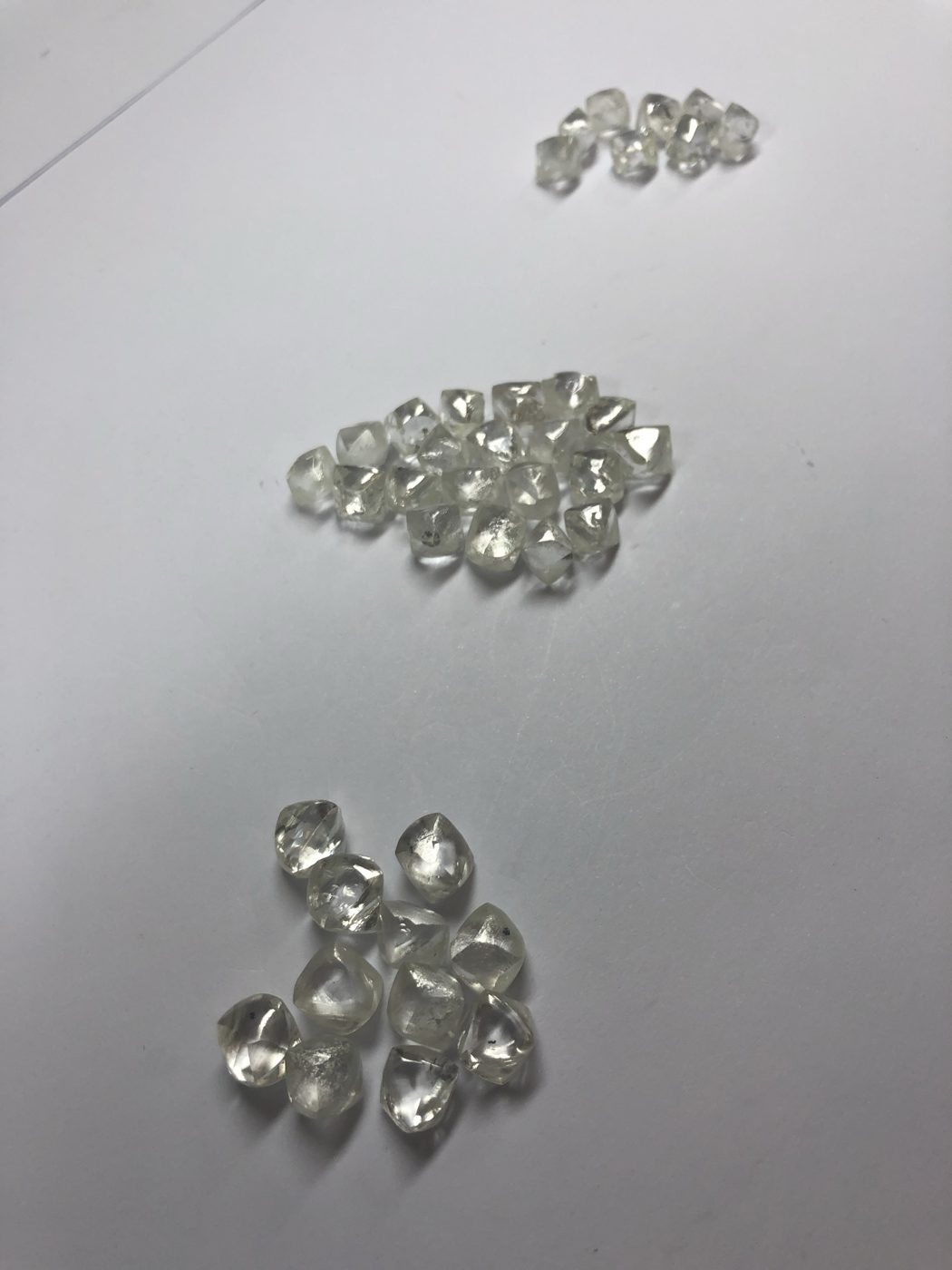
Three piles of rough diamonds sorted by size on a white table
Rough sorted into parcels by size.
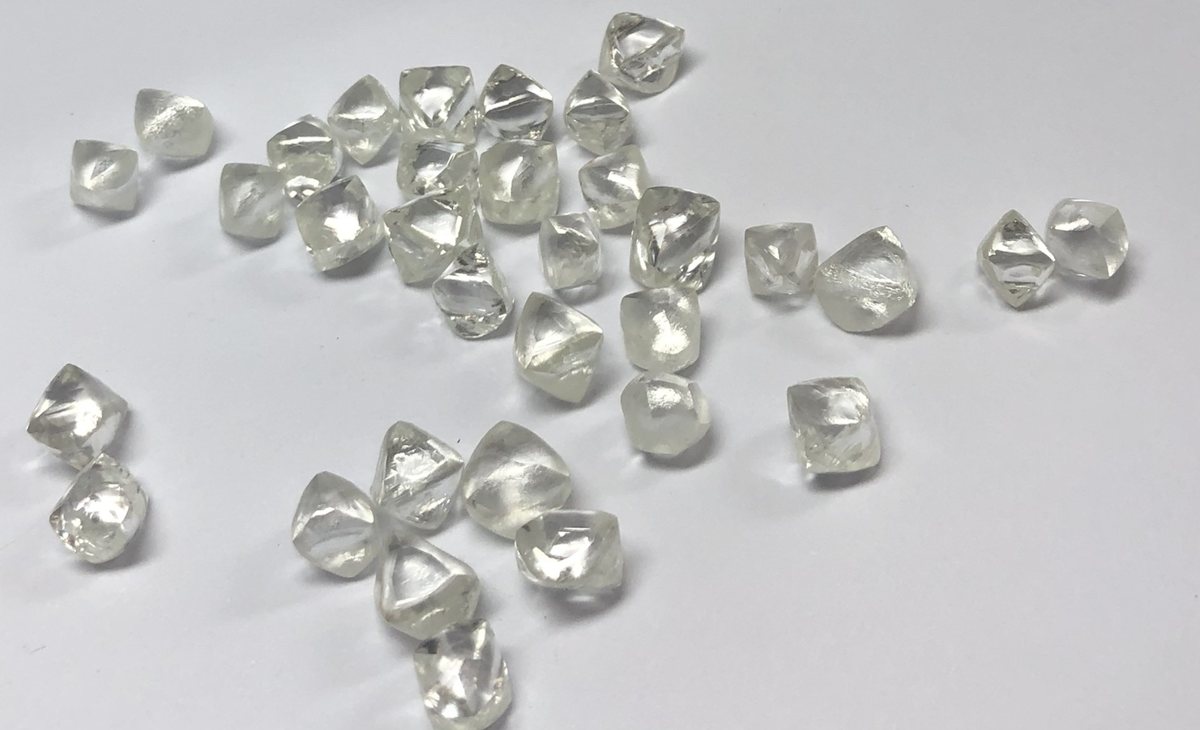
Octahedral rough diamonds spread on a white table
Octahedral crystals, the classic rough diamond shape.
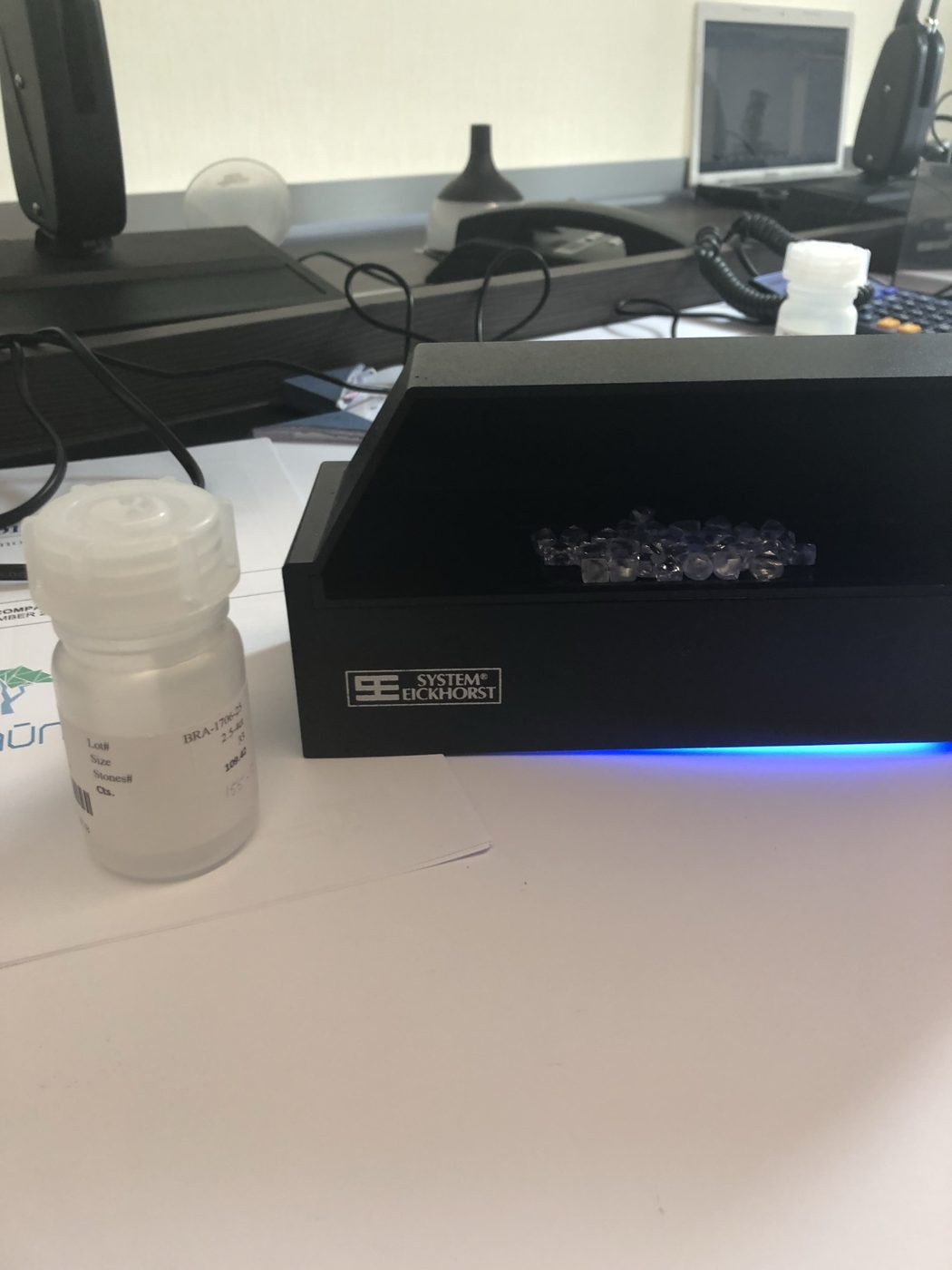
A parcel of rough diamonds inside a UV viewing box beside a labeled lot bottle
A rough parcel under UV light, checked for fluorescence.
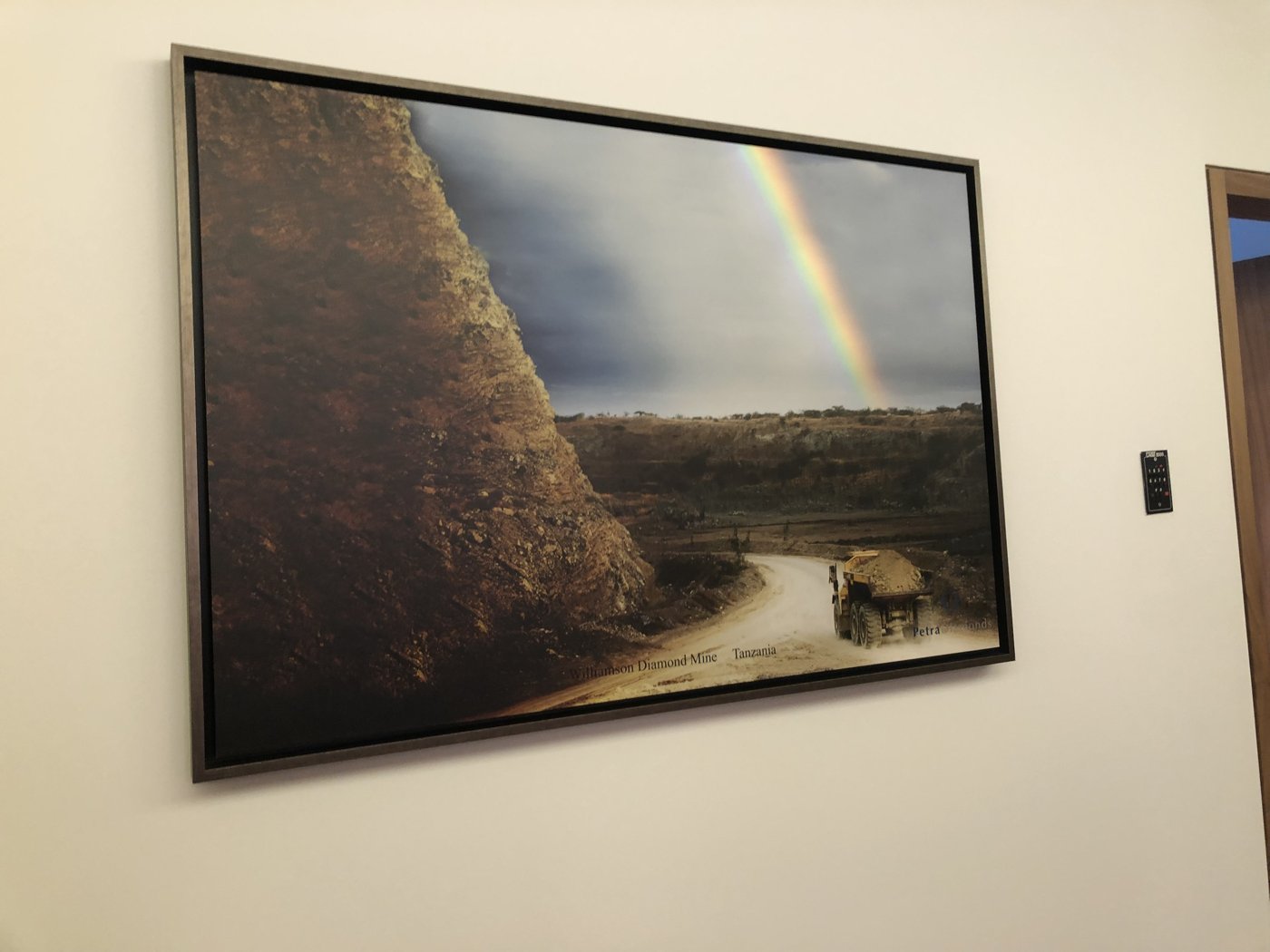
A framed photograph of an open-pit diamond mine with a rainbow, hanging in a mining company's office
Inside a mining company's office, where rough is viewed and bought.
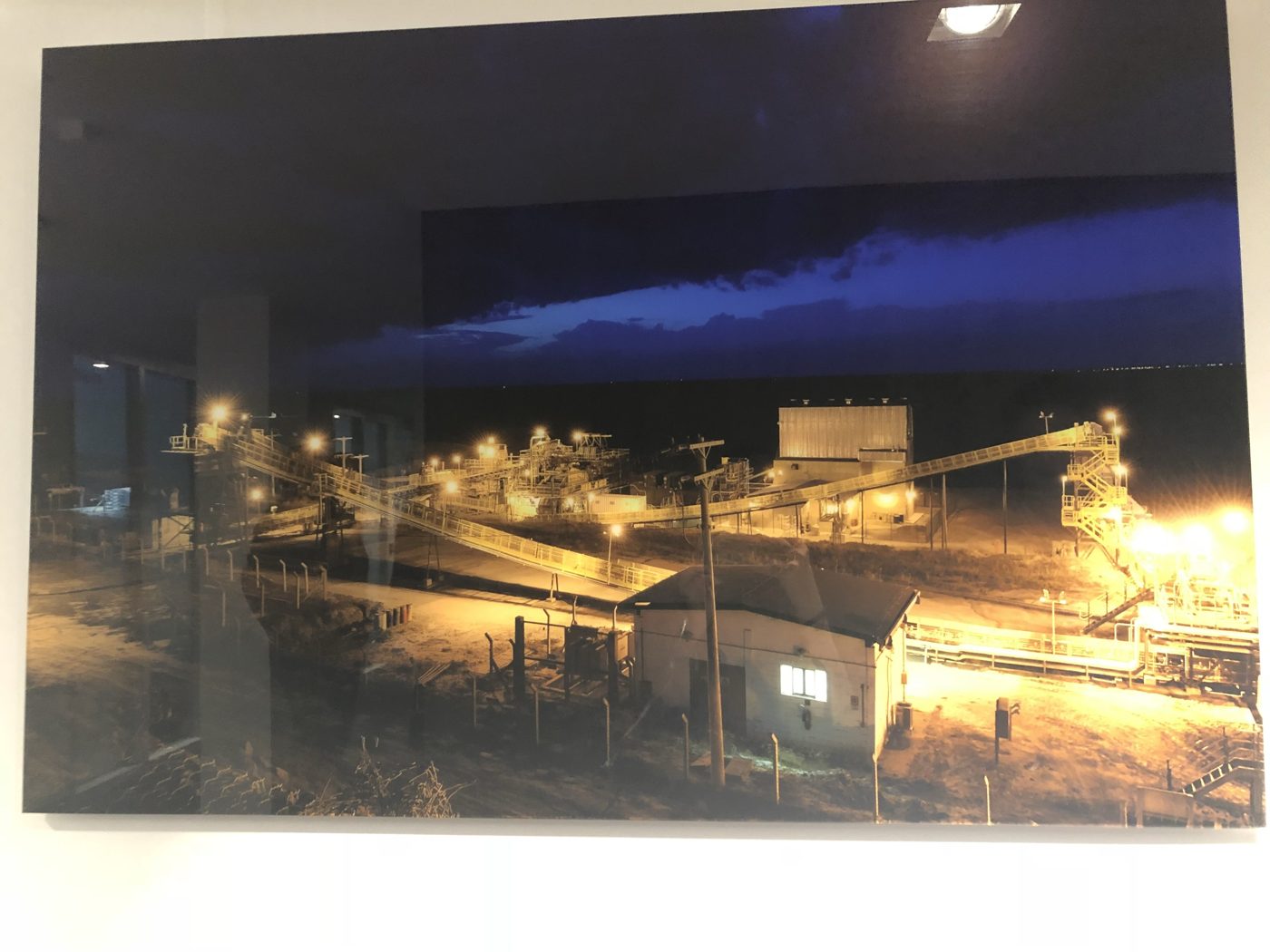
A framed night photograph of a diamond mine's processing plant with lit conveyor belts
A mine's processing plant at night, where rough is recovered from the ore.
02

Mapping the stone before it's cut

Each rough diamond is scanned in 3D. The software maps its shape and plans the cut that will yield the best polished diamond, so as little of the crystal as possible is lost.
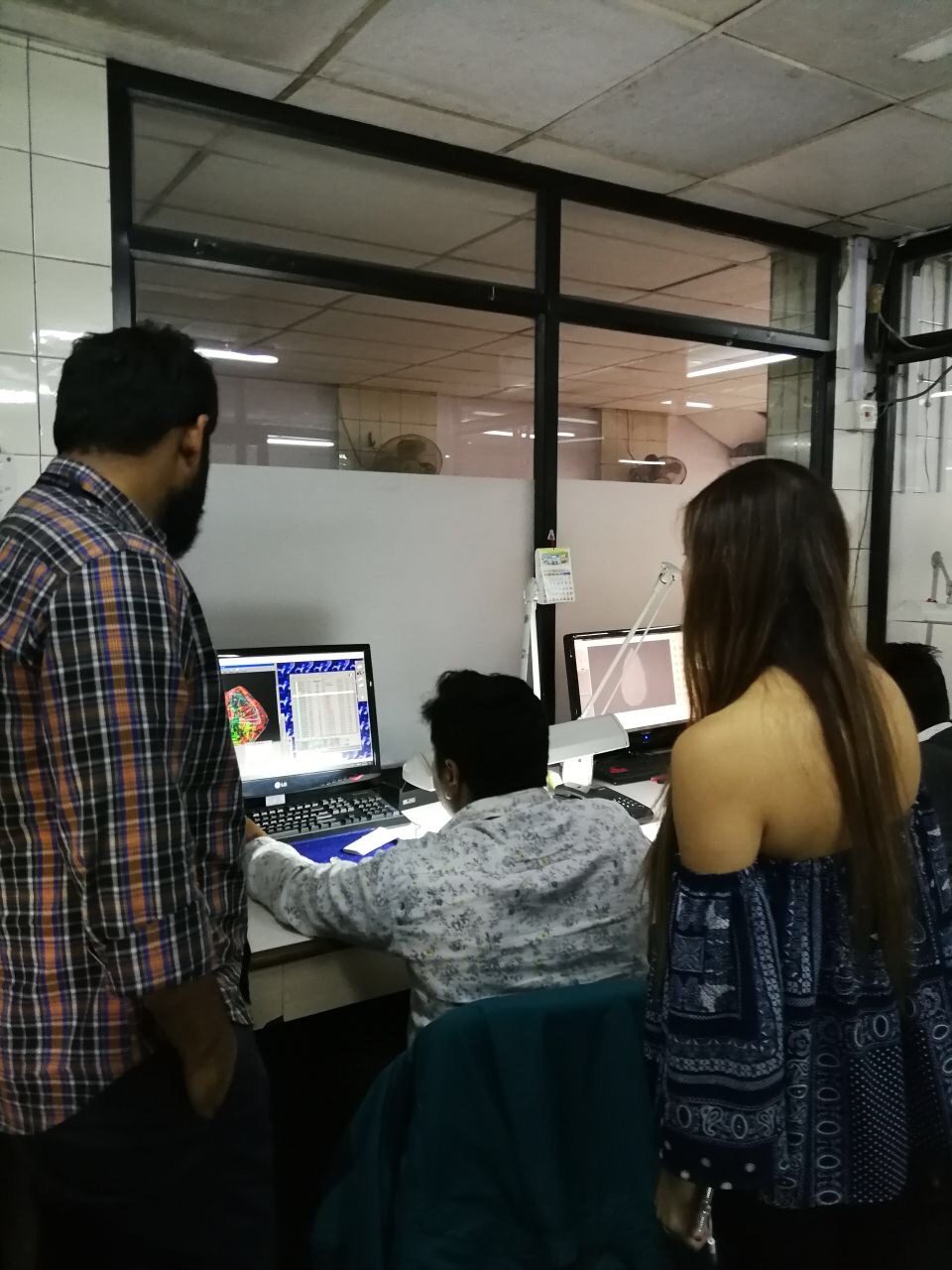
A rough stone scanned into a 3D model.
The scan maps every inclusion inside the stone, shown in red.
Standing behind a technician reviewing a rough diamond's 3D model on screen
Reviewing a stone's 3D model with the planners.
Checking each rough stone against its cutting plan.

Planning decides how big the finished diamond will be, its shape, and how well it will sparkle. A few degrees of difference in the plan can change the value of the finished stone.

03

Cutting and polishing, facet by facet

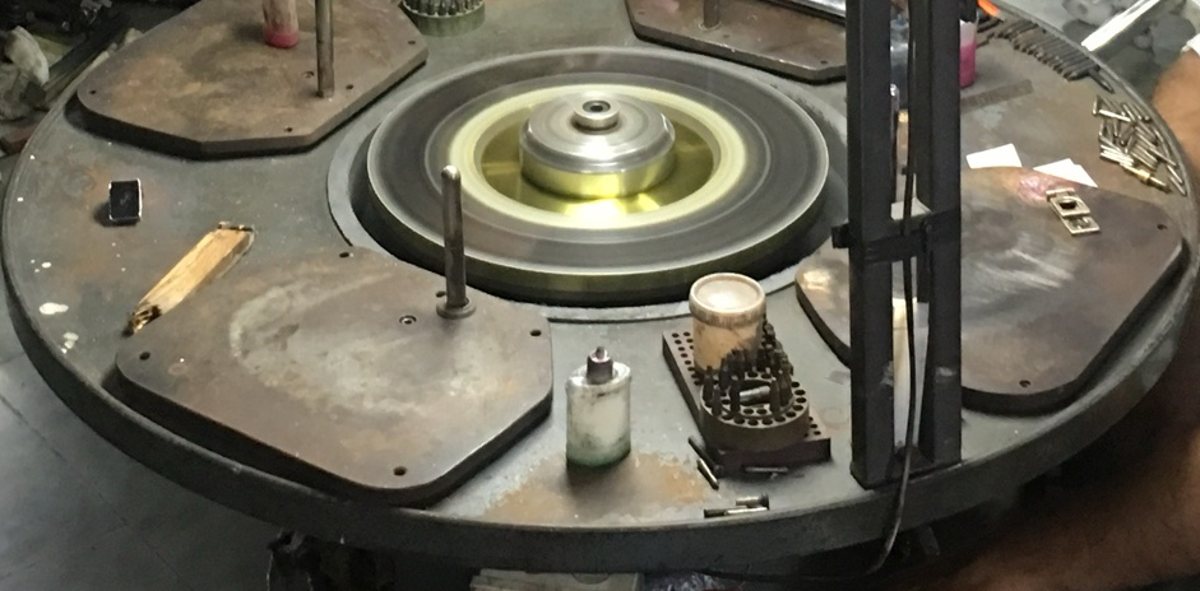
Only a diamond can cut a diamond. In polishing workshops in India, craftsmen press each stone against spinning wheels coated with diamond powder, shaping every facet by hand and checking it again and again under a loupe.
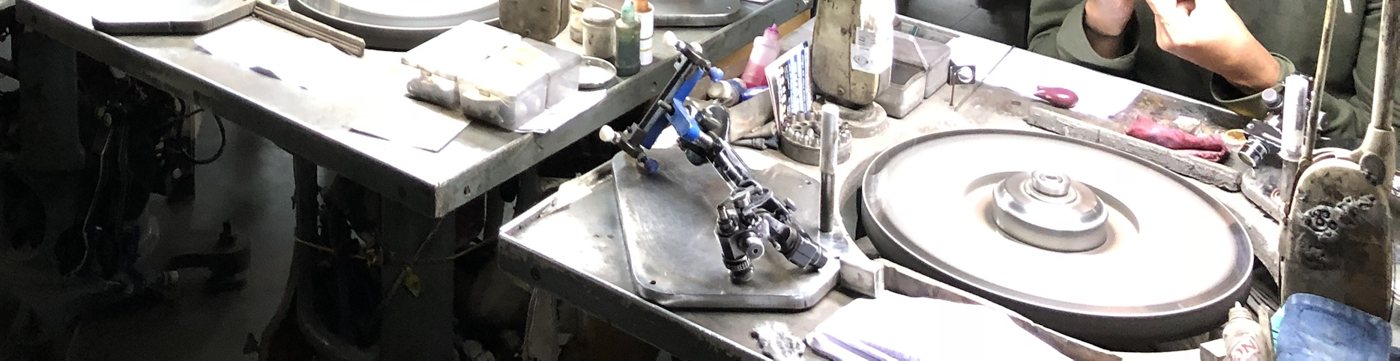
Rows of diamond polishing wheels on a workshop floor
A polishing floor, with a wheel at every workstation.
A round polishing table with a diamond-coated wheel at its center
The polishing wheel, called a scaife.
Setting a stone against the wheel.
04

Grading and testing

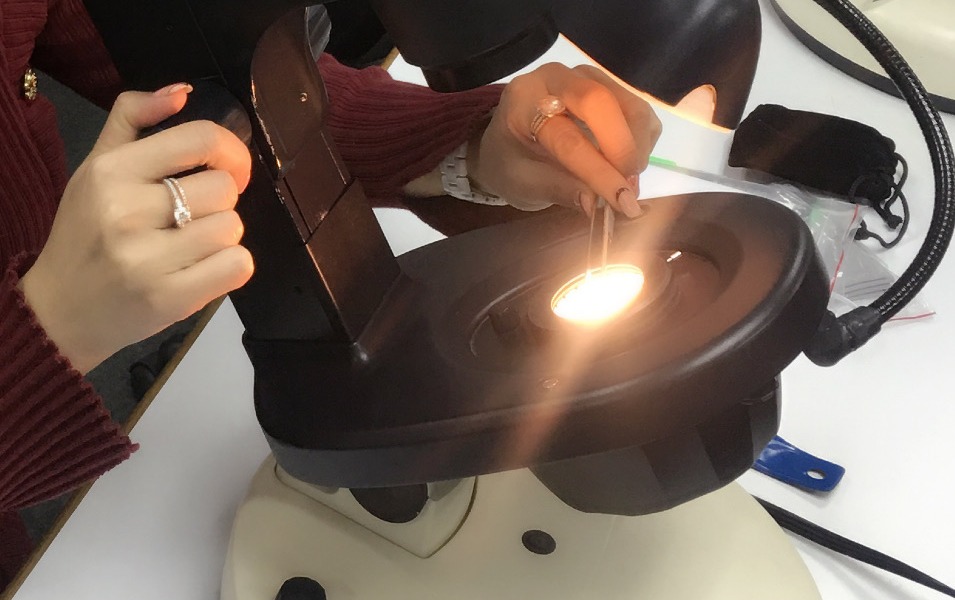
Once polished, every diamond is measured and checked. Color is read with a colorimeter, ultraviolet light shows whether the stone fluoresces, and clarity is graded under magnification. This is where my GIA training comes in.
Measuring color with a colorimeter.
Under UV light, many diamonds glow blue.
Hands holding a diamond in tweezers under a gem microscope
Grading clarity under the microscope.
05 · To you

Then it's yours

Every diamond I offer, natural or lab-grown, has been through this same checking. Tell me what you're looking for and I'll find the right stone for it.

Start your design